BYD ATTO 3 vs. Kia EV5: Which SUV Suits Family Life?
The Kia EV5 is larger on published dimensions, while the BYD ATTO 3 is smaller. Here’s what the figures can—and cannot—tell families comparing space and range.
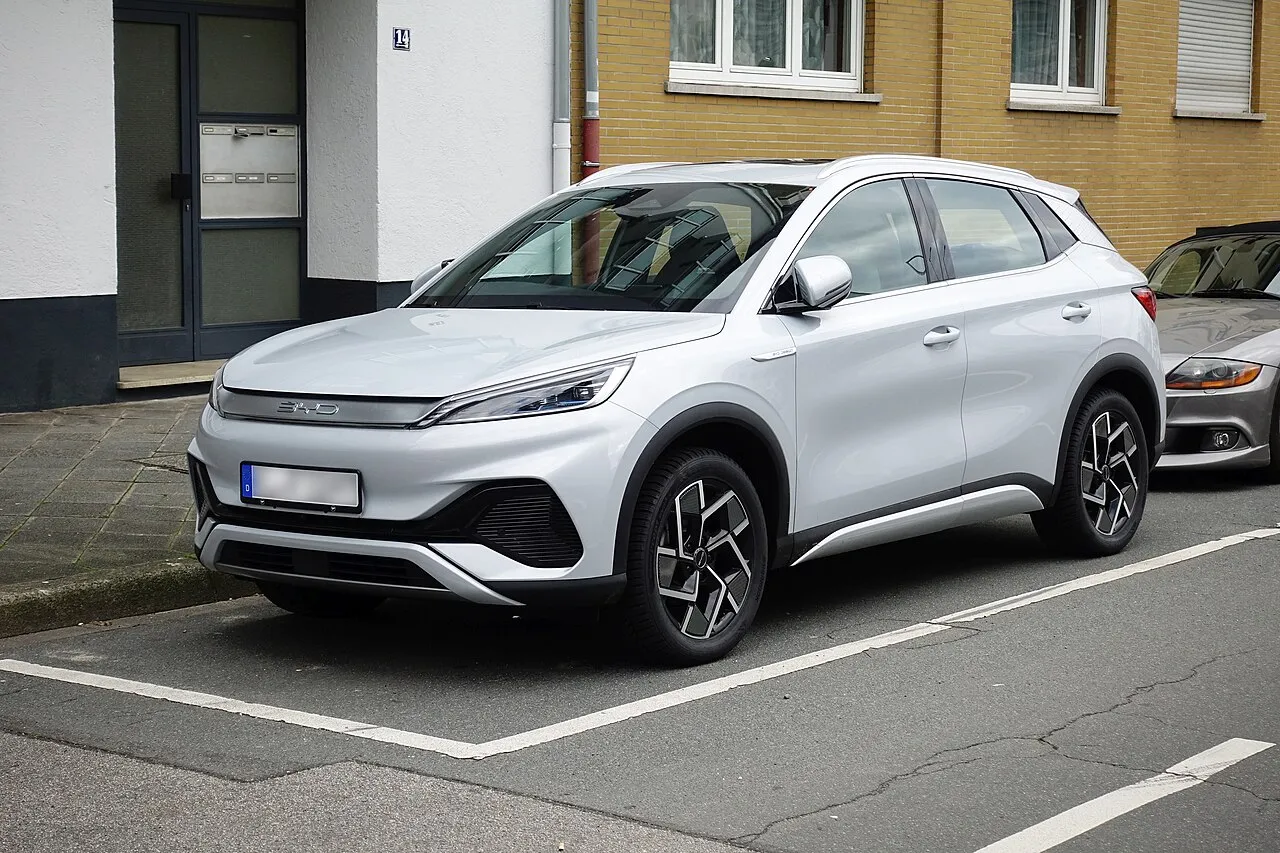
The short answer: The Kia EV5 looks better suited to a household that may need more room, based on its larger published exterior dimensions and longer wheelbase. The BYD ATTO 3 is smaller, while the available figures do not establish which SUV has more usable cabin or cargo space.
For a growing household, the Kia EV5 is the stronger starting point if a larger vehicle footprint matters: its published European dimensions make it longer and taller than the BYD ATTO 3, with a slightly longer wheelbase. The ATTO 3 is the more compact choice. Those measurements are clues about packaging, however, not proof of more rear-seat comfort or cargo capacity. Neither model has a cargo-volume figure here, so families should compare the actual seat and luggage space in the market and trim they plan to buy.
Range figures also need careful reading. The European 2025 ATTO 3 and EV5 figures both use WLTP, so they share a test standard, but they apply to different trims and configurations. The ATTO 3’s published ranges are lower; the EV5 Air has the highest figure among the versions shown. These are rated figures, not a promise of how far a particular family will travel in everyday conditions.
Published dimensions and range
The table brings together the relevant published figures. Dimensions are in millimeters, battery capacity in kilowatt-hours, and power in kilowatts. Range figures retain their original units and test standards. Kia EV5 dimensions differ slightly between the European Air and GT-Line and the Canadian 2026 AWD entry, so the market and trim are identified separately.
| Vehicle and version | Market, model year, trim | Dimensions (L × W × H; wheelbase) | Battery and rated range | Charging, drive and power | Published curb weight |
|---|---|---|---|---|---|
| BYD ATTO 3 | Europe, 2025, Extended Range | 4,455 × 1,875 × 1,615 mm; 2,720 mm | 60.5 kWh gross and usable; 420 km WLTP | 7 kW AC; 88 kW DC peak; front-wheel drive; 150 kW | 1,750 kg |
| BYD ATTO 3 | Europe, 2025, Standard Range | 4,455 × 1,875 × 1,615 mm; 2,720 mm | 49.9 kWh gross and usable; 345 km WLTP | 7 kW AC; 70 kW DC peak; front-wheel drive; 150 kW | 1,690 kg |
| BYD ATTO 3 | China, 2025, Extended Range | 4,455 × 1,875 × 1,615 mm; 2,720 mm | 60.5 kWh gross and usable; 510 km CLTC | 7 kW AC; 88 kW DC peak; front-wheel drive; 150 kW | 1,750 kg |
| BYD ATTO 3 | China, 2025, Standard Range | 4,455 × 1,875 × 1,615 mm; 2,720 mm | 49.9 kWh gross and usable; 430 km CLTC | 7 kW AC; 70 kW DC peak; front-wheel drive; 150 kW | 1,690 kg |
| Kia EV5 | Europe, 2025, Air | 4,615 × 1,875 × 1,715 mm; 2,750 mm | 84 kWh gross; 77.4 kWh usable; 590 km WLTP | 11 kW AC; 200 kW DC peak; drive not specified; 160 kW | 1,835 kg |
| Kia EV5 | Europe, 2025, GT-Line | 4,615 × 1,875 × 1,715 mm; 2,750 mm | 84 kWh gross; 77.4 kWh usable; 580 km WLTP | 11 kW AC; 200 kW DC peak; drive not specified; 160 kW | 1,910 kg |
| Kia EV5 | Canada, 2026, 4Dr Suv AWD | 4,620 × 1,880 × 1,720 mm; 2,750 mm | Not specified | Not specified | 2,102 kg |
Sources: BYD ATTO 3 figures from OpenEV Data and EVDB, as named for each version; Kia EV5 European figures from EVDB; Canadian dimensions and weight from NHTSA vPIC. The European EV5 Air and GT-Line share the listed exterior dimensions, battery capacity and power, while their rated range and curb weight differ.
What the size difference means for a household
In the European 2025 entries, the EV5 is 160 mm longer and 100 mm taller than the ATTO 3, and its wheelbase is 30 mm longer. Both are listed at 1,875 mm wide. That makes the EV5 the larger vehicle on two of the main exterior measures, with a modest wheelbase advantage. The Canadian 2026 AWD entry is larger still by a few millimeters, but it is a different market and model year and should not be blended with the European trim measurements.
A longer wheelbase can create more room between the axles for cabin packaging, and a taller body may allow a higher seating position or more vertical space. Neither relationship guarantees a roomier second row: seat design, floor height, roof shape and interior layout matter too. Exterior width also does not translate directly into shoulder room. The published figures support saying the EV5 has a larger exterior footprint; they do not establish how easily a child seat fits, how much legroom remains, or whether three passengers can sit comfortably across the back.
Cargo volume and storage layout are absent from these entries. That leaves a key family question unresolved: whether a stroller, sports gear, groceries or luggage fit together behind the rear seats. Total capacity alone would not answer every loading question, either. Families should check the shape and opening of the cargo area, the height of the load floor, and how much space remains when the rear seats are occupied. Those details require a market-specific vehicle inspection or published cargo measurements.
Range and charging for family routines
For Europe, the 2025 ATTO 3 Standard Range is rated at 345 km WLTP and Extended Range at 420 km WLTP. The EV5 Air is rated at 590 km WLTP and the GT-Line at 580 km WLTP. Because all four figures use WLTP, they can be read within the same test framework, though they represent different vehicle configurations. The EV5’s larger rated range may be useful when a household regularly makes longer journeys or wants fewer charging stops, but actual range depends on driving and conditions.
The ATTO 3’s China-market ratings—430 km and 510 km—use CLTC. They should not be compared directly with the European WLTP figures. A different test standard can produce a different rated result, so the Chinese figures do not show that the same vehicle travels farther than its European counterpart. For an American shopper, none of these ratings is an EPA estimate; the figures are useful for understanding the listed versions, not for predicting a U.S. rating.
The European EV5 entries list higher peak DC charging power than the ATTO 3 entries: 200 kW versus 70 kW for Standard Range and 88 kW for Extended Range. Peak power is not a charging-time figure. Charging speed varies through a session, and the listed maximum alone cannot show how long a stop takes or how often a vehicle sustains that rate. The EV5 also lists 11 kW AC charging, compared with 7 kW for the ATTO 3. That may matter for home or destination charging only when the vehicle, electrical supply and charging equipment can use the relevant rate.
Powertrain and configuration details
Both European ATTO 3 versions are listed with front-wheel drive, 150 kW of power and 310 Nm of torque. Their published acceleration time from zero to 100 km/h is 7.3 seconds. The European EV5 Air and GT-Line are listed with 160 kW and 310 Nm, with a zero-to-100 km/h time of 8.3 seconds; drive is not specified for those entries. These figures describe published performance, but they do not determine family comfort, visibility, access or ease of fitting child seats.
Battery chemistry also differs in the European entries: the ATTO 3 uses LFP, while the EV5 uses NMC. Chemistry can be one part of a buyer’s comparison, but it does not by itself settle which SUV is the better family vehicle. The more immediate questions are whether the vehicle fits the household’s space needs and whether its charging and range characteristics suit the routes it will routinely cover.
How to choose between them
The EV5 is the more promising fit on published size and European WLTP range. Its longer body, taller roofline, longer wheelbase and higher rated range point toward a larger, longer-legged SUV. That can appeal to families expecting changing space needs, but cargo and passenger capacity figures are missing, so those advantages remain an inference from exterior measurements rather than a confirmed cabin comparison.
The ATTO 3 is the more compact option in the European figures, with the same listed width as the EV5 and a shorter, lower body. Its smaller footprint may be easier to accommodate where parking space is tight. Its European WLTP range is lower, and its listed peak charging rates are lower, so households with frequent long trips may prefer to investigate the EV5 further.
Before choosing, compare the exact local-market trims. Bring the child seats and everyday items that matter, check rear-seat access and headroom, and see whether the cargo area accepts the family’s usual load. Confirm which charging connector and equipment apply in the intended market. The published European ATTO 3 uses CCS2, while no connector is specified for the EV5 entries here; connector availability and vehicle configurations can vary by market.
For a household prioritizing a larger exterior and the longer European WLTP rating, the Kia EV5 is the more compelling candidate. For one prioritizing a smaller SUV footprint, the BYD ATTO 3 deserves a close look. The decisive family-fit question—how people and their belongings actually fit inside—needs a hands-on check because the published figures do not settle it.
Frequently asked questions
Which is larger, the BYD ATTO 3 or Kia EV5?
The European 2025 Kia EV5 entries are longer and taller than the European 2025 BYD ATTO 3 entries, with a 30 mm longer wheelbase. Both are listed at 1,875 mm wide.
Which has the longer published range?
Among the European 2025 versions shown, the Kia EV5 Air has the highest rating at 590 km WLTP. The BYD ATTO 3 Extended Range is rated at 420 km WLTP. These are test ratings, not guaranteed everyday distances.
Can the CLTC and WLTP range figures be compared directly?
No. The BYD ATTO 3 China figures use CLTC, while the European figures use WLTP. They should be kept within their named test standards.
Which SUV has more cargo space?
The published entries do not establish that. They include exterior dimensions but no cargo-volume measurements, so families need to compare the relevant vehicles directly.
Related stories

How to Choose an EV When It’s Your Household’s Only Car
Compare home charging, everyday range flexibility, and service access to find an EV that can handle your household’s needs without a backup car.

How to Check Whether an EV Can Carry a Roof Tent
Compare an EV’s roof-load limit, approved mounting points and tent hardware before buying. Then account for added wind resistance, noise and energy use.

Gross vs. Usable EV Battery Capacity, Explained
An EV’s gross battery capacity describes its full energy reserve; usable capacity is the portion the driver can draw on. Here’s how to compare the terms.