Tesla Tightens European FSD Monitoring as US Rules Diverge
Tesla's European driver-assistance update adds earlier attention warnings and stricter enforcement, highlighting a growing divide with its US software.
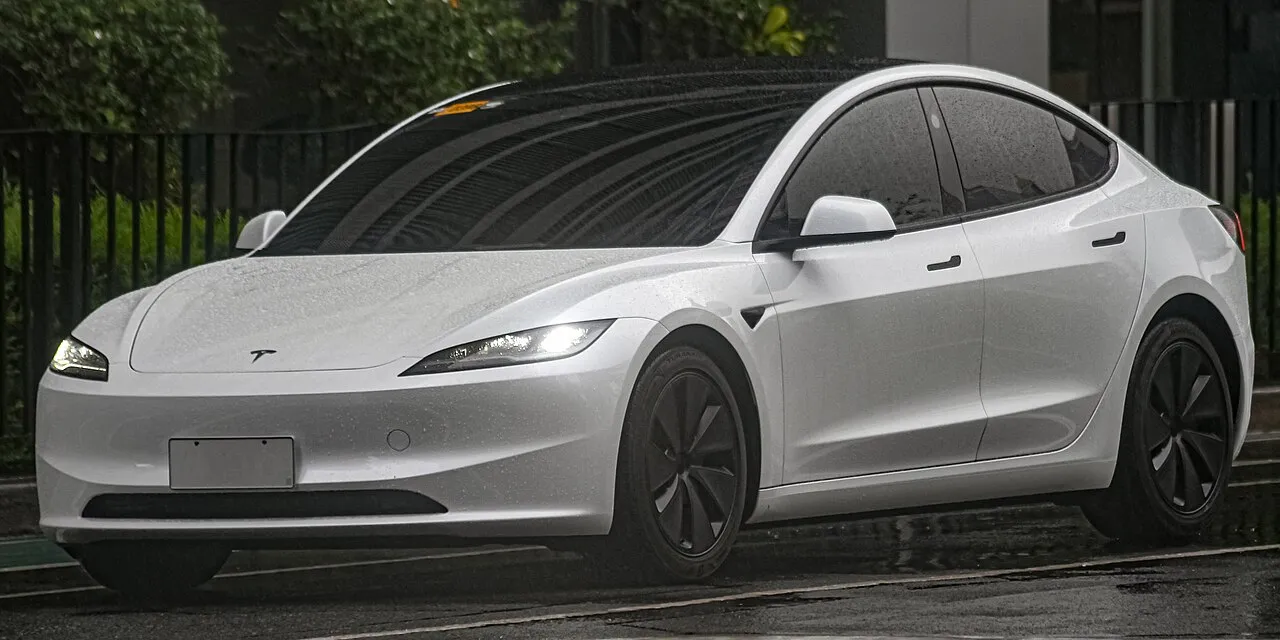
The short answer: Tesla is introducing earlier attention warnings, a full strike for inattention during a maneuver, and a hands-on requirement above 81 mph in Europe, according to Electrek. The changes contrast with reduced warning frequency in recent US versions, while drivers remain responsible for supervising the Level 2 system.
Tesla is tightening driver monitoring for its European driver-assistance system, adding earlier attention warnings and tougher enforcement while taking a more permissive approach in the United States, according to Electrek. For buyers, the changes highlight a consequential regional difference: vehicles with the same cabin camera and HW4 computer can enforce different expectations for driver supervision.
The Dutch vehicle authority RDW approved the European update on November 16, Electrek reported. It applies to HW4 vehicles running Tesla Assisted Driving, the European name for the system previously called FSD (Supervised), and reaches vehicles through an over-the-air update. Broader European Union approval remains pending.
What changes for European drivers
According to Electrek's account of the RDW announcement, the update makes attention warnings appear earlier. A driver who fails to pay attention while the system performs a maneuver receives a “full strike.” Those changes make driver attention a more immediate part of how the assistance system operates, particularly while it is carrying out a driving action.
The RDW also said the update introduces measures intended to prevent misuse, according to Electrek. The authority did not detail those measures. The announced changes therefore establish several specific requirements for drivers, while leaving the operation of the additional safeguards unexplained.
A separate rule applies at higher speeds. Above 130 km/h, approximately 81 mph, drivers must keep their hands on the steering wheel where traveling at that speed is legal, Electrek reported. The requirement ties hands-on supervision to a defined speed threshold, alongside the system's monitoring of driver attention.
The update also changes how drivers confirm a higher maximum speed. Setting a maximum above the speed the system displays requires confirmation by scrolling the steering-wheel control upward. According to Electrek, the speed-limit sign pulses red when the vehicle exceeds the limit, adding a visible warning to the confirmation process.
Together, the changes address attention, steering-wheel contact and speed selection. They affect how drivers interact with an active assistance system, even though the update arrives remotely. For an owner, an over-the-air installation can therefore change both when the vehicle warns and what action it requires behind the wheel.
Dutch approval does not yet mean EU-wide approval
The RDW tested the update on its own track and on public roads, finding no adverse or unintended effects, according to Electrek. That finding concerns the update assessed by the authority; Tesla's system remains driver assistance, with the driver responsible for supervising its operation.
Ten other countries have adopted the Dutch approval, with Finland joining that group, Electrek reported. Including the Netherlands, that puts the approval's reach at 11 European countries. EU-wide approval is still awaiting a vote at the TCMV, the committee of member states.
The monitoring changes follow another adjustment made roughly two weeks earlier. According to Electrek, Tesla reduced the system's European speed margin from 50% above the limit to 10% and dropped the “Full Self-Driving” name in that market. Those earlier changes addressed both operating behavior and how the feature is presented to customers.
Germany had made the reduced speed margin and the naming change conditions for supporting EU approval, Electrek reported. The latest update therefore comes amid an approval process in which national authorities have sought changes to Tesla's system before backing wider use.
The US approach has moved toward fewer warnings
Electrek reported that Tesla has spent the past year reducing some driver-monitoring interventions in the United States. At the company's shareholder meeting the previous November, CEO Elon Musk described the system as “a little strict about keeping your eyes on the road” and said Tesla would “allow you to text and drive essentially” within a month or two.
A month after that meeting, an owner asked whether FSD v14.2.1 permitted texting. Musk replied, “Depending on context of surrounding traffic, yes,” according to Electrek. Those comments sit alongside Tesla's own statement that the driver remains responsible at all times when using the Level 2 system.
In May, Musk confirmed that FSD v14.3.3 had been designed to warn drivers less frequently, Electrek reported. Tesla subsequently added improved eye-gaze tracking and handling of eyewear in a June release. That later change is an important part of the comparison: the US software has also received monitoring improvements, even as warning frequency has been reduced.
The steering-wheel requirements differ as well. According to Electrek, US FSD users have been allowed to operate hands-free at any speed since Tesla moved to cabin-camera monitoring in 2024. The United States does not have the European update's 130 km/h hands-on threshold.
Hands-free operation still requires driver supervision. Electrek describes FSD as a Level 2 system and reports that Tesla's own terms retain the driver's responsibility at all times. The outlet also reports that texting while driving is illegal in 49 states, making Musk's comments especially significant for American owners interpreting what the feature permits.
US regulators are examining supervision and claims
The National Highway Traffic Safety Administration has questioned Tesla about its messaging, according to Electrek. During an engineering analysis of FSD crashes in low-visibility conditions, the agency asked Tesla to justify marketing claims and specifically cited Musk's post about texting.
That scrutiny connects the software's capabilities with the expectations created around it. A system can monitor a driver's eyes while company statements suggest that looking at a phone may be acceptable in some circumstances. The responsibility described in Tesla's terms remains relevant regardless of how frequently a particular software version issues warnings.
In September, Rep. Raja Krishnamoorthi asked NHTSA to investigate Tesla's driver monitoring after dozens of videos appeared to show people asleep while using Autopilot and FSD, Electrek reported. The videos prompted a request for scrutiny; the report does not establish that every depicted incident had been independently verified.
Electrek also reported that, the previous month, a driver told the California Highway Patrol he had been asleep while using FSD when his Tesla passed through a freeway closure and struck a patrol vehicle, seriously injuring two officers. The account of sleeping and FSD use was the driver's statement to police.
Shared hardware, different oversight
According to Electrek, the European and US systems use the same cabin camera and HW4 computer. The regional differences show that shared hardware does not guarantee identical monitoring behavior. Software settings and approval requirements can change when drivers receive warnings and when steering-wheel contact becomes mandatory.
Electrek describes a significant difference in regulatory procedure: European type-approval authorities test updates before release and can reject them. In the United States, Tesla self-certifies its driver-assistance software, with NHTSA exercising oversight through investigations and enforcement rather than advance approval of each release.
The immediate next step in Europe is the pending TCMV vote on EU-wide approval. For eligible owners in countries that have adopted the Dutch approval, the update brings concrete changes to attention warnings, maneuver-related strikes and high-speed supervision. In the United States, the regulatory scrutiny Electrek describes centers on monitoring performance and the claims Tesla makes about how drivers may use FSD.
Frequently asked questions
What does Tesla's European driver-monitoring update change?
According to Electrek, it introduces earlier attention warnings, a full strike for inattention during a maneuver, additional measures against misuse, and a hands-on-wheel requirement above 130 km/h, approximately 81 mph, where legal.
Which vehicles does the European update cover?
Electrek reports that the RDW-approved update covers HW4 vehicles using Tesla Assisted Driving and is delivered over the air.
Has Tesla Assisted Driving received EU-wide approval?
According to Electrek, ten countries have adopted the Dutch approval, bringing its reach to 11 countries including the Netherlands. EU-wide approval remains pending a TCMV vote.
Does hands-free FSD allow the driver to stop supervising?
No. Electrek reports that FSD remains a Level 2 driver-assistance system and that Tesla's own terms make the driver responsible at all times.
How do US monitoring requirements differ?
According to Electrek, US FSD has allowed hands-free operation at any speed since the move to cabin-camera monitoring in 2024. Recent US releases have reduced warning frequency, while a June release improved eye-gaze tracking and eyewear handling.
Related stories

Kia Confirms Rio-Sized Electric Hatchback for 2027
Kia says its first mass-market software-defined vehicle will be a B-segment electric hatchback due by the end of 2027, with a European launch expected in 2028.

Tesla FSD v15 Reaches Older Model Ys Without Bumper Cameras
Tesla is extending FSD v15 to pre-refresh Model Ys without front bumper cameras, with early reports praising smoother driving but flagging visual lag.
Tesla Holiday Update Could Bring Grok and More Features
Tesla’s holiday software update is expected within weeks, with Grok changes, Automations and navigation options among the features identified in code or speculation.