Tesla Model Y Model-Year Changes Explained: 2025 to 2026
Compare the US Tesla Model Y for 2025 and 2026, including EPA range, charging times, trim choices and what is known about battery capacity and power output.
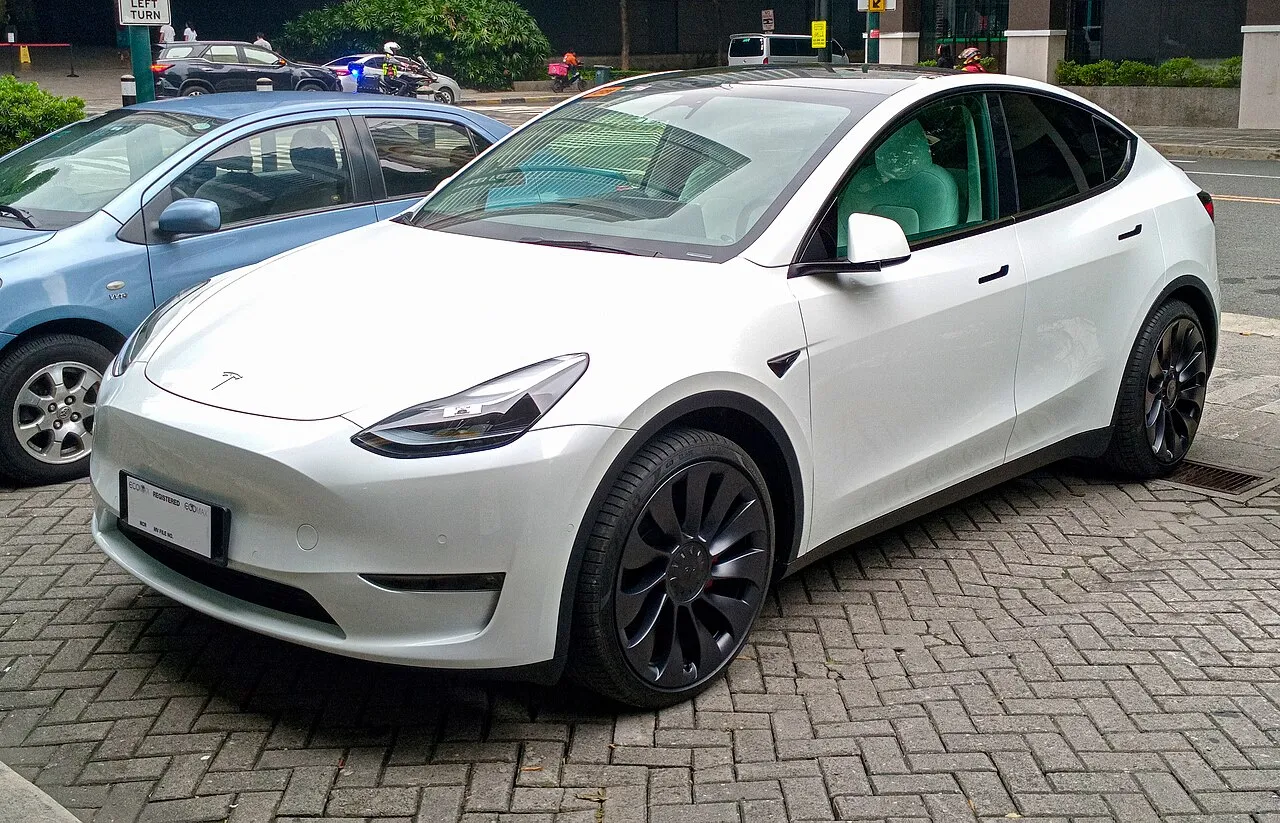
The short answer: The US 2026 Tesla Model Y gains EPA-rated range across the Long Range and Performance trims and adds Standard versions, but charging-time changes vary by trim. Comparable 2026 battery-capacity, power-output and peak-charging figures have not been published, so the newer year does not establish an improvement in those areas.
The US 2026 Tesla Model Y brings longer EPA-rated range to the Long Range RWD, Long Range AWD and Performance AWD, along with Standard AWD and Standard RWD choices. Charging changes are mixed: EPA Level 2 full-charge times fall for both Long Range versions, while the Performance takes slightly longer. Buyers prioritizing rated range have a clear reason to choose the newer model year; buyers considering a 2025 should weigh its actual purchase price against the range difference for the equivalent trim.
Battery capacity, motor power and peak charging speed require a more qualified answer. OpenEV Data reports those figures for the US 2025 models, but comparable 2026 figures have not been published. Longer range alone does not establish a larger battery, more power or faster DC charging.
US range and charging figures by model year
The table combines matching trim records so the same vehicle does not appear twice. All range figures use the EPA standard. Level 2 full-charge times come from US EPA fueleconomy.gov; battery and power figures come from OpenEV Data and are published technical values, rather than EPA range-test results. A dash means a comparable figure has not been published.
| Market and model year | Trim and drive | EPA-rated range | EPA Level 2 full-charge time | Battery: gross / usable, chemistry; OpenEV Data, no test standard stated | Power; OpenEV Data, no test standard stated |
|---|---|---|---|---|---|
| US, 2025 | Long Range RWD | 337 miles | 12 hours | 78 / 75 kWh, LFP | 208 kW |
| US, 2026 | Long Range RWD | 357 miles | 10 hours | — | — |
| US, 2025 | Long Range AWD | 311 miles | 12 hours | 82 / 79 kWh, NMC | 366 kW |
| US, 2026 | Long Range AWD | 327 miles | 8 hours | — | — |
| US, 2025 | Performance AWD | 277 miles | 11.8 hours | 82 / 79 kWh, NMC | 393 kW |
| US, 2026 | Performance AWD | 306 miles | 12.2 hours | — | — |
| US, 2026 | Standard AWD | 294 miles | 8 hours | — | — |
| US, 2026 | Standard RWD, 18-inch wheels | 321 miles | 10 hours | — | — |
| US, 2026 | Standard RWD, 19-inch wheels | 303 miles | 10 hours | — | — |
US EPA fueleconomy.gov is the source for the table’s range and full-charge times. OpenEV Data also reports the same EPA-rated ranges for the US 2025 Long Range RWD, Long Range AWD and Performance models. Keeping the comparison within the US market and EPA standard makes the range differences directly comparable as ratings.
How much more range does the 2026 Model Y have?
The Long Range RWD remains the range leader among these US versions. Its EPA rating rises from 337 miles for 2025 to 357 miles for 2026, an increase of 20 miles. The Long Range AWD rises from 311 to 327 miles, adding 16 miles. Buyers choosing between those two drivetrains therefore get a higher rating for either choice in the newer model year.
The Performance AWD records the largest increase among matching trims, moving from 277 EPA-rated miles for 2025 to 306 miles for 2026. That 29-mile gain narrows its range deficit against the Long Range AWD. The Performance still has the lower rating, but choosing it carries a smaller rated-range tradeoff in 2026.
Some relationships remain unchanged. Long Range RWD still exceeds Long Range AWD, and Long Range AWD still exceeds Performance AWD. The newer model year improves the numbers without changing that order. These are comparisons of EPA ratings; they do not establish the distance a particular trip will cover between charges.
What the Standard trims add
The 2026 choices extend beyond the returning Long Range and Performance names. US EPA ratings include a Standard AWD at 294 miles, a Standard RWD with 18-inch wheels at 321 miles, and a Standard RWD with 19-inch wheels at 303 miles. The two wheel configurations make the precise version important when comparing a Standard RWD with another Model Y.
The difference between those Standard RWD wheel configurations is 18 EPA-rated miles. Both have the same 10-hour EPA Level 2 full-charge time, so the range distinction does not come with a difference in that charging-time figure. The Standard AWD has an eight-hour full-charge time, matching the 2026 Long Range AWD despite its lower range rating.
Trim names also need to stay attached to the model year. The 2026 Standard RWD with 18-inch wheels has more EPA-rated range than the 2025 Long Range AWD, but those vehicles use different drivetrains. That comparison can help a shopper considering either vehicle, while the matching Long Range AWD comparison remains the clearer measure of the model-year change.
Battery capacity and power: what can be established?
OpenEV Data reports different battery configurations across the US 2025 range. The Long Range RWD has a 78-kWh gross battery with 75 kWh usable and LFP chemistry. The Long Range AWD and Performance each have an 82-kWh gross battery with 79 kWh usable and NMC chemistry. Those figures describe the outgoing vehicles; they should not be carried forward automatically to 2026.
Comparable US 2026 battery-capacity and chemistry figures have not been published. Consequently, the range increases cannot be attributed specifically to a larger pack or a chemistry change. A buyer seeking evidence of either needs more than the EPA range rating.
The same limit applies to power. OpenEV Data reports 208 kW for the US 2025 Long Range RWD, 366 kW for the Long Range AWD and 393 kW for the Performance. Comparable US 2026 outputs have not been published. The Performance name continues, but that alone does not establish whether its output increased, decreased or stayed the same.
Charging: shorter Long Range times, no confirmed DC increase
EPA full-charge times show a meaningful distinction between the returning trims. Long Range AWD falls from 12 hours for 2025 to eight hours for 2026. Long Range RWD falls from 12 to 10 hours. Performance AWD moves in the opposite direction, from 11.8 to 12.2 hours. It would therefore be inaccurate to say every 2026 Model Y charges faster.
These figures describe Level 2 full charging. They do not establish DC fast-charging speed or the time required for a highway charging stop. The shorter Long Range times are useful comparison points, but they should not be translated into a claim about higher peak charging power.
For the US 2025 vehicles, OpenEV Data reports 11-kW AC charging and a NACS connector across the Long Range RWD, Long Range AWD and Performance. Peak DC charging differs: 170 kW for the Long Range RWD and 250 kW for both AWD versions. Comparable 2026 AC limits, DC peaks and connector details have not been published, so a year-over-year hardware change cannot be confirmed.
Who should buy the newer or outgoing model year?
Choose the 2026 Long Range RWD if the highest EPA-rated range is the priority. Choose the 2026 Long Range AWD if AWD and a shorter EPA Level 2 full-charge time matter together. The 2026 Performance AWD also offers a clear range improvement over its outgoing counterpart, although its full-charge time is slightly longer and a power increase is unconfirmed.
The 2026 Standard versions deserve consideration when their range and drivetrain meet the buyer’s needs. Pay particular attention to the RWD wheel configuration: the two EPA ratings differ even though their full-charge times match. Without comparable pricing, the Standard badge alone cannot establish the best value.
A 2025 Model Y makes sense when its actual purchase price compensates for the lower EPA range of the equivalent trim. Buyers satisfied with that range can assess the outgoing vehicle on its own merits. Nothing here establishes a battery or power disadvantage for 2025, while the drivetrain choices and range hierarchy of the returning trims remain unchanged. The strongest confirmed reasons to move to 2026 are its higher range ratings, broader trim choice and shorter Long Range Level 2 charging times.
Frequently asked questions
Which US 2026 Tesla Model Y has the longest range?
The 2026 Long Range RWD has the highest EPA-rated range among these US versions, at 357 miles according to US EPA fueleconomy.gov.
Does the 2026 Tesla Model Y have a bigger battery?
Comparable US 2026 battery-capacity figures have not been published. The higher EPA range ratings alone do not establish that battery capacity increased.
Does every 2026 Tesla Model Y charge faster than the 2025?
No. EPA Level 2 full-charge times decrease from 12 to eight hours for Long Range AWD and from 12 to 10 hours for Long Range RWD. Performance AWD increases from 11.8 to 12.2 hours. These figures do not establish DC fast-charging speeds.
What are the US 2026 Model Y Standard range ratings?
US EPA fueleconomy.gov rates the 2026 Standard AWD at 294 miles, Standard RWD with 18-inch wheels at 321 miles, and Standard RWD with 19-inch wheels at 303 miles.
Is the 2026 Tesla Model Y more powerful?
Comparable US 2026 power outputs have not been published. OpenEV Data reports 208 kW for the US 2025 Long Range RWD, 366 kW for Long Range AWD and 393 kW for Performance.
Related stories

How to Build a Flexible EV Charging Routine for Work
Build charging around the miles you need for your next drive, using home, work, or public charging as your schedule allows. Keep a practical buffer.

How to Check EV Charger Plug Compatibility Before a Trip
Match your EV’s connector and charging limits to each route stop. Learn what charger labels mean, when an adapter may work, and what to confirm before you leave.

How to Estimate Electric Car Range While Towing
Estimate towing range from your vehicle’s normal range, then adjust for trailer shape, speed, weather and hills. Use the result to plan charging stops.