Tesla Model X vs Kia EV9: Which Three-Row EV Fits Family Life?
The Tesla Model X offers more EPA range, while the Kia EV9 charges faster at home. Third-row access and cargo usability may decide the better family fit.
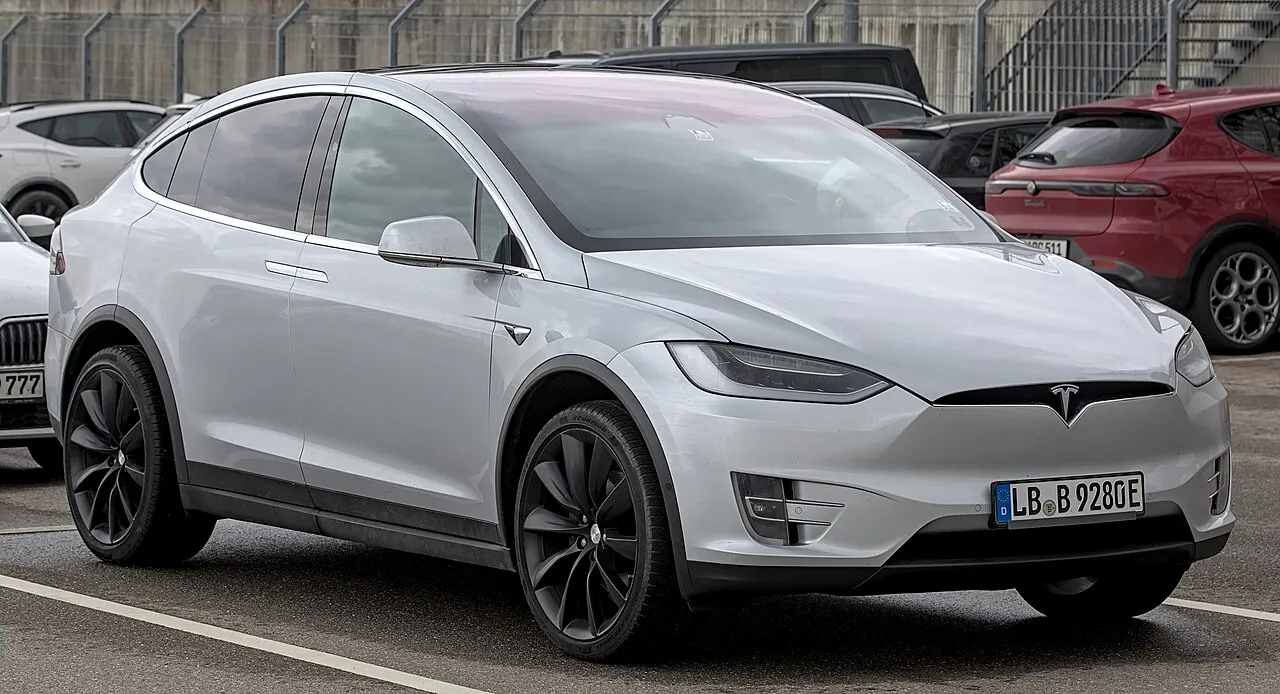
The short answer: The Tesla Model X is the range choice in the US, while the Kia EV9 generally needs less time for a full Level 2 charge. For family use, the final decision should focus on third-row access and loading, details that have not been published here.
For an American family choosing between these three-row electric SUVs, the Tesla Model X has the stronger EPA range position, while the Kia EV9 is easier to recharge fully overnight on Level 2 equipment. The EV9’s shortest listed full-charge time is 8.1 hours, compared with 12 hours for the Model X Plaid and 14 hours for the other US Model X version.
That makes the choice depend on how the vehicle fits daily routines. A family that regularly drives long distances between charging stops may value the Model X’s range. A family that uses home charging every night may value the EV9’s shorter full-charge window. Third-row access, seating flexibility and cargo space are equally important, but model-specific access and cargo measurements have not been published here, so those areas need a close inspection before purchase.
Range and charging point to different strengths
US EPA ratings give the 2026 Tesla Model X a rated range of 352 miles in its standard US version and 335 miles in Plaid form. The 2027 Kia EV9 ranges from 230 miles for the Standard Range RWD to 305 miles for the Long Range RWD. The Long Range AWD versions are rated at 283 miles, or 280 miles for the GT-Line.
These figures use the same EPA standard, so they offer a useful US market comparison across the versions shown. The Model X has a clear range advantage over every listed EV9 version. That advantage can reduce the number of charging stops on a long family trip, although the actual result will still depend on driving conditions, speed, weather, passengers and cargo.
The EV9 has the more favorable home-charging times in the US figures. The Standard Range RWD is listed at 8.1 hours for a full Level 2 charge. The Long Range versions range from 10.5 to 10.7 hours. The Model X is listed at 14 hours in its standard form and 12 hours as Plaid.
A full-charge time is most useful as a planning guide. Many owners will not recharge from empty to full each night, so a shorter listed time does not automatically translate into a shorter daily charging session. It does mean the EV9 has more time margin when a household arrives home with a low battery and needs the vehicle ready the next morning.
| Vehicle version | Market, model year and test standard | Rated range | Full Level 2 charge time | Drive | Source |
|---|---|---|---|---|---|
| Tesla Model X | US, 2026, EPA | 352 mi | 14 hours | AWD | US EPA fueleconomy.gov |
| Tesla Model X Plaid | US, 2026, EPA | 335 mi | 12 hours | AWD | US EPA fueleconomy.gov |
| Kia EV9 Long Range AWD | US, 2027, EPA | 283 mi | 10.7 hours | AWD | US EPA fueleconomy.gov |
| Kia EV9 Long Range AWD GT-Line | US, 2027, EPA | 280 mi | 10.5 hours | AWD | US EPA fueleconomy.gov |
| Kia EV9 Long Range RWD | US, 2027, EPA | 305 mi | 10.7 hours | RWD | US EPA fueleconomy.gov |
| Kia EV9 Standard Range RWD | US, 2027, EPA | 230 mi | 8.1 hours | RWD | US EPA fueleconomy.gov |
Three rows change what matters every day
A three-row vehicle is judged by more than its maximum passenger count. The practical questions are whether children or adults can reach the third row without a struggle, whether the second row can move while a child seat is installed, and whether the driver can use all three rows without giving up useful cargo room.
Those questions are especially important for families because access is repeated several times a day. School drop-offs, sports equipment, groceries and car seats create a different workload from an occasional road trip. A third row that is easy to reach can reduce the friction of everyday use. A third row that requires awkward climbing can make a large vehicle feel less convenient even when it offers ample seating.
The published vehicle information for these versions does not include a detailed seat-by-seat layout, entry mechanism or cargo measurement. That means the Model X and EV9 cannot be ranked fairly here on the exact width of the third-row entrance, legroom, headroom or luggage capacity behind the last row. Those are the measurements to verify in person, especially if the third row will be occupied regularly.
How to evaluate third-row access
Start with the second-row movement. Check whether the seat slides, folds or tilts in a way that leaves a usable opening to the back. Then repeat the test with the child seats or boosters that the family actually uses. A mechanism that works with an empty seat may be less useful once a rear-facing child seat is installed.
Next, sit in the third row rather than judging it from the doorway. Check whether the seating position works for the passengers who will use it most often. Look at the height of the step, the space around the opening and whether the second-row occupants can still sit comfortably after the third row is occupied.
Door openings and roof height also affect the routine. The European figures show that the Kia EV9 Air RWD is 1,755 millimeters tall and has a 3,100-millimeter wheelbase. The European Tesla Model X AWD is 1,680 millimeters tall with a 2,965-millimeter wheelbase. These figures come from different market versions and do not establish third-row comfort, but they help explain why the two vehicles may feel different when passengers climb in and out.
Loading with all three rows in use
Families should judge cargo in the configuration they use most often. A vehicle can carry a large load with the third row folded and still feel limiting when every seat is occupied. Test the space behind the third row with the items that normally travel there: a stroller, backpacks, sports bags, groceries or a weekend’s luggage.
Also check how the second and third rows fold, whether the floor becomes level and whether a small item can be secured without blocking a passenger’s view. Loading height matters as much as total volume. A wide opening can be more useful than a deep compartment if heavy items must be lifted in frequently.
The Model X and EV9 differ in their overall European dimensions. The Model X AWD is 5,057 millimeters long, 1,999 millimeters wide and 1,680 millimeters tall. The EV9 Air RWD is 5,010 millimeters long, 1,980 millimeters wide and 1,755 millimeters tall. The EV9 GT AWD is 5,015 millimeters long and 1,980 millimeters wide. These figures do not replace cargo measurements, but they give buyers a sense of the exterior footprint involved when parking or maneuvering.
Which version makes the most sense?
The US Model X is the straightforward choice for a buyer who places the highest priority on EPA-rated range. The standard version reaches 352 miles, and the Plaid reaches 335 miles. Both use AWD. Plaid also has the shorter listed full Level 2 charging time of the two Model X versions, at 12 hours, although its EPA range is lower than the standard version.
The EV9 offers more choice in how range and drivetrain are balanced. The Long Range RWD reaches 305 miles in the EPA rating, the highest EV9 figure shown. The Long Range AWD versions trade some range for all-wheel drive, while the Standard Range RWD has the lowest range and the shortest listed full-charge time.
That spread makes the EV9 easier to match to a household’s priorities. The RWD Long Range version emphasizes driving distance. The AWD versions emphasize traction. The Standard Range version emphasizes a lower charging requirement and a shorter listed full-charge window, while accepting 230 miles of EPA-rated range.
A practical decision for family buyers
Choose the Model X when long-distance range is the main concern and the vehicle’s actual third-row access and cargo area work for the family. Choose the EV9 when overnight charging time, drivetrain choice and a family-oriented three-row routine carry more weight.
Before deciding, bring the people and equipment that will use the vehicle. Open the third-row path, install the child seats, sit in every row and load the rear area with the largest everyday items. The range and charging figures establish the broad difference between the vehicles. The physical test of access and loading determines whether either one works as a family vehicle.
Frequently asked questions
Which has more EPA-rated range, the Tesla Model X or Kia EV9?
The 2026 Tesla Model X has more EPA-rated range in the listed US versions: 352 miles for the standard version and 335 miles for Plaid. The listed 2027 Kia EV9 versions range from 230 to 305 miles.
Which vehicle has the shorter listed Level 2 charging time?
The Kia EV9 has the shorter listed times in the US figures, ranging from 8.1 to 10.7 hours. The Tesla Model X is listed at 12 or 14 hours.
Does the article establish which vehicle has better third-row access?
No. Detailed third-row entry, seating and cargo measurements have not been published here, so those features should be checked in person.
Which Kia EV9 US version has the highest EPA-rated range?
The 2027 Kia EV9 Long Range RWD has the highest listed EV9 EPA rating at 305 miles.
Related stories

How to Build a Flexible EV Charging Routine for Work
Build charging around the miles you need for your next drive, using home, work, or public charging as your schedule allows. Keep a practical buffer.

How to Check EV Charger Plug Compatibility Before a Trip
Match your EV’s connector and charging limits to each route stop. Learn what charger labels mean, when an adapter may work, and what to confirm before you leave.

How to Estimate Electric Car Range While Towing
Estimate towing range from your vehicle’s normal range, then adjust for trailer shape, speed, weather and hills. Use the result to plan charging stops.