Tesla Model 3 vs Kia EV4: Which Sedan Fits Better?
Compare Model 3 and EV4 cabin access, trunk openings and charging figures. The practical choice depends on what fits through the doors and into the trunk.
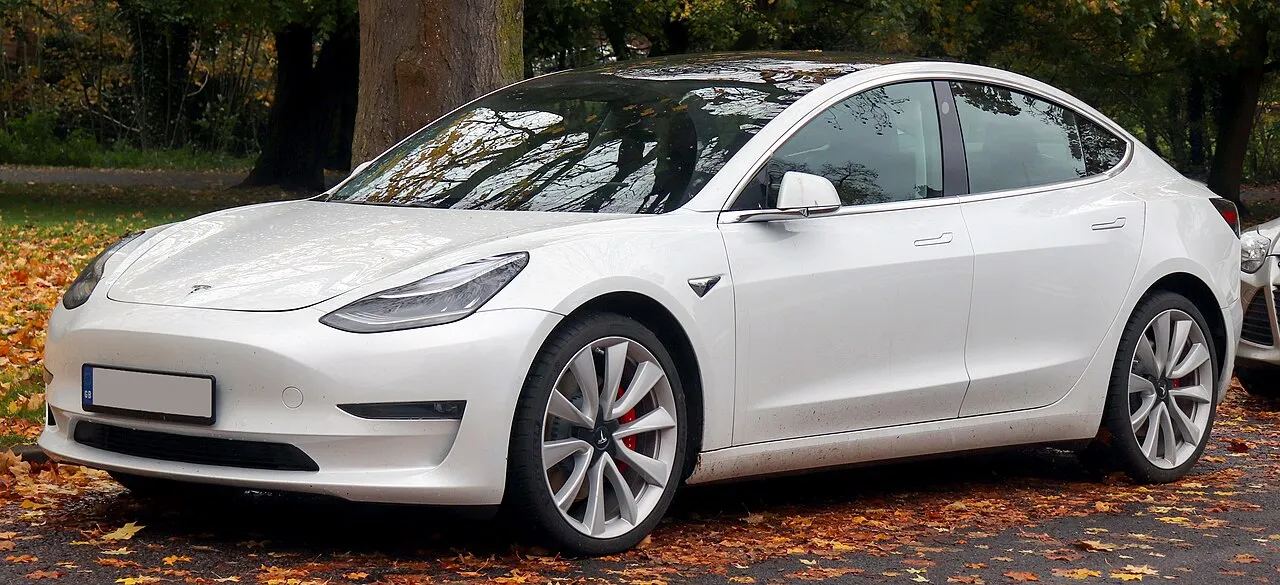
The short answer: Neither sedan has a documented advantage in cabin or trunk access based on published measurements here. Check the actual openings with your passengers and cargo; charging and range figures also need to be read by market and test standard.
The Tesla Model 3 and Kia EV4 are both sedans, but their body style alone cannot tell a shopper which will be easier to live with. Door openings determine how comfortably passengers get in and out, while the trunk opening determines whether a bulky item can reach the cargo space at all. There are no comparable door aperture, trunk opening or cargo volume measurements here to establish a winner on those questions. For charging, the clearest comparison starts by keeping each published figure attached to its market, model year and source.
Cabin access starts at the door opening
Overall height and wheelbase offer context, but neither measures the space a passenger moves through. Getting into a rear seat involves clearing the roof edge, door frame and sill, then finding room to turn and bring both legs inside. Getting out reverses that movement. The shape and angle of an open door also matter in a narrow parking space: a wide doorway may be less useful if the door cannot open far enough to make it accessible.
EVDB reports that the European 2026 Model 3 Premium AWD is 1,441 mm tall, with a 2,875 mm wheelbase. Its European 2025 EV4 58.3 kWh entry is 1,475 mm tall, with a 2,830 mm wheelbase; the European 2025 EV4 81.4 kWh entry is 1,490 mm tall, with the same 2,830 mm wheelbase. These are vehicle dimensions, not cabin access measurements, and no range test standard applies to them. The EV4 entries are taller on paper, but that does not establish a higher door opening or easier rear seat entry. Seat position, roof shape and doorway geometry still have to be assessed in the cars themselves.
A useful check is to have the people who regularly ride in back enter and leave each car at a normal parking space. Watch whether anyone has to duck sharply, twist around the door frame or lift their feet over the sill. Then close the door and consider whether the seating position leaves enough room to sit naturally. This check is especially relevant when a passenger has limited mobility or a child seat will be used, because the task is more demanding than simply sitting in an empty front seat.
For a child seat, the practical question is whether it can pass through the rear doorway and be positioned without awkward lifting or contact with the roof edge. The room needed to reach the seat and secure a child matters as much as the space the installed seat occupies. No child seat fit result for either sedan follows from the exterior dimensions. A shopper who will use one should check the intended seat in the intended rear position, with the front seat set for its usual occupant.
A trunk's opening matters as much as its space
A sedan trunk can have room behind its opening that a large object cannot reach. The limiting point may be the width between the opening's sides, the distance from its lower lip to the raised lid, or a change in shape farther inside. That is why a trunk volume figure, even if one were available, would not settle whether a stroller, suitcase or boxed purchase fits. There are no comparable trunk opening measurements here for the Model 3 and EV4, so neither can be declared the easier cargo loader.
Check cargo in the order it would actually be loaded. First, see whether the object's widest part clears the opening. Next, check whether it can turn into position without striking the lid or interior trim. Finally, consider whether it can be lifted over the lip comfortably and removed again. An item that fits after considerable angling may still be inconvenient for frequent use. The same test should be done with any bags or accessories that normally travel alongside it.
Long cargo raises another question: whether its shape can pass from the trunk into the passenger area, if the car being considered has a suitable pass through or folding seat arrangement. The size of that passage and the available path matter more than overall vehicle length. EVDB puts the European 2026 Model 3 Premium AWD at 4,720 mm long and its European 2025 EV4 58.3 kWh and 81.4 kWh entries at 4,610 mm and 4,635 mm, respectively. These exterior dimensions have no range test standard; they do not measure usable cargo length or the trunk aperture.
Read the charging figures by market and version
The table keeps each range rating beside its test standard. A Level 2 full charge time describes a complete AC charging session under the source's rating conditions; it is not the time for every everyday top up. AC charging power and DC peak charging power describe different types of charging, and a DC peak is not an average speed for an entire session. A dash means that figure has not been published for that entry by the named source.
| Vehicle, market and model year | Version | Rated range and test standard | Level 2 full charge | AC / DC peak power | Source |
|---|---|---|---|---|---|
| Model 3, US, 2027 | Performance AWD | 316 mi, EPA | 12 hours | — | US EPA fueleconomy.gov |
| Model 3, US, 2027 | Premium AWD | 346 mi, EPA | 11.7 hours | — | US EPA fueleconomy.gov |
| Model 3, US, 2027 | Premium RWD | 363 mi, EPA | 11.7 hours | — | US EPA fueleconomy.gov |
| Model 3, US, 2027 | RWD | 321 mi, EPA | 12.1 hours | — | US EPA fueleconomy.gov |
| EV4, Canada, 2026 | GT-Line | 488 km, NRCan | 9.1 hours | — | Natural Resources Canada |
| EV4, Canada, 2026 | Light | 391 km, NRCan | 5.9 hours | — | Natural Resources Canada |
| EV4, Canada, 2026 | Wind | 552 km, NRCan | 8.1 hours | — | Natural Resources Canada |
| EV4, Canada, 2026 | Wind Premium | 515 km, NRCan | 8.1 hours | — | Natural Resources Canada |
| Model 3, Europe, 2026 | Premium AWD | 691 km, WLTP | — | 11.5 / 250 kW | EVDB |
| EV4, Europe, 2025 | 58.3 kWh | 458 km, WLTP | — | 11 / 135 kW | EVDB |
| EV4, Europe, 2025 | 81.4 kWh | 625 km, WLTP | — | 11 / 135 kW | EVDB |
For an American shopper, US EPA ratings describe the Model 3 versions in the table. The EV4 range ratings shown are Canadian NRCan figures, while the European entries use WLTP. Those standards are different, so setting a US Model 3 number beside a Canadian or European EV4 number does not establish which car would go farther under the same test. A US EV4 EPA range figure has not been published in the sources named here. Trim also matters within one standard: the US EPA Model 3 ratings in the table vary by version, as do Natural Resources Canada's EV4 ratings.
The Level 2 times also need care. US EPA fueleconomy.gov gives full charge estimates for the US Model 3 versions, and Natural Resources Canada gives them for the Canadian EV4 versions. Those figures describe different vehicles in different markets and do not reveal the charging equipment, starting charge level or conditions a particular owner will use. In routine charging, the useful question is often whether the energy needed for the next trip can be added during the hours the car is parked, rather than how long a complete charge takes.
EVDB's European 2026 Model 3 Premium AWD entry gives 11.5 kW AC charging power and 250 kW DC peak charging power. Its European 2025 EV4 58.3 kWh and 81.4 kWh entries each give 11 kW AC and 135 kW DC peak. These are published ratings for those European versions, with no range test standard attached to the charging power figures. They are not US charging claims. At a public DC charger, the peak alone cannot tell a driver how long a stop will take, because power can change throughout the session.
Which sedan is more practical?
For passengers and cargo, the answer depends on the openings and the items that must pass through them. The published exterior dimensions offer a starting point for identifying the exact versions under consideration, but they do not settle doorway clearance, child seat access or trunk loading. Checking those tasks with the people and cargo that will use the car is the most direct way to distinguish the two sedans on daily practicality.
For charging, choose the market and version first, then read its range rating with its test standard and its charging figure with the source's description of what that figure measures. The US Model 3 has EPA range and Level 2 full charge figures in the table; the EV4 figures shown come from Canada and Europe. That distinction keeps a cabin and cargo decision from resting on a range comparison the published ratings cannot support.
Frequently asked questions
Is the Kia EV4 easier to get into than the Tesla Model 3?
Comparable door opening measurements have not been published here, so neither sedan has an established cabin access advantage. Check rear doorway clearance and the seating position with the intended passengers.
Which sedan has the more useful trunk opening?
Comparable trunk opening measurements have not been published here. Test whether the cargo you regularly carry can clear each opening, turn into position and be lifted out comfortably.
Can US Model 3 EPA range be compared directly with the EV4 figures shown?
No. The Model 3 US figures use the EPA standard, while the EV4 figures shown use Canada's NRCan standard or Europe's WLTP standard.
Does a higher DC charging peak mean a shorter charging stop?
Not necessarily. A peak is a maximum power figure, not the average across a charging session; power can change during the stop.
Related stories

How to Build a Flexible EV Charging Routine for Work
Build charging around the miles you need for your next drive, using home, work, or public charging as your schedule allows. Keep a practical buffer.

How to Check EV Charger Plug Compatibility Before a Trip
Match your EV’s connector and charging limits to each route stop. Learn what charger labels mean, when an adapter may work, and what to confirm before you leave.

How to Estimate Electric Car Range While Towing
Estimate towing range from your vehicle’s normal range, then adjust for trailer shape, speed, weather and hills. Use the result to plan charging stops.