Tesla Enables Cybertruck and Powerwall 3 Home Backup
Cybertruck owners with a Powerwall 3 can now use both batteries for home backup during an outage, though Tesla is activating the feature in stages.
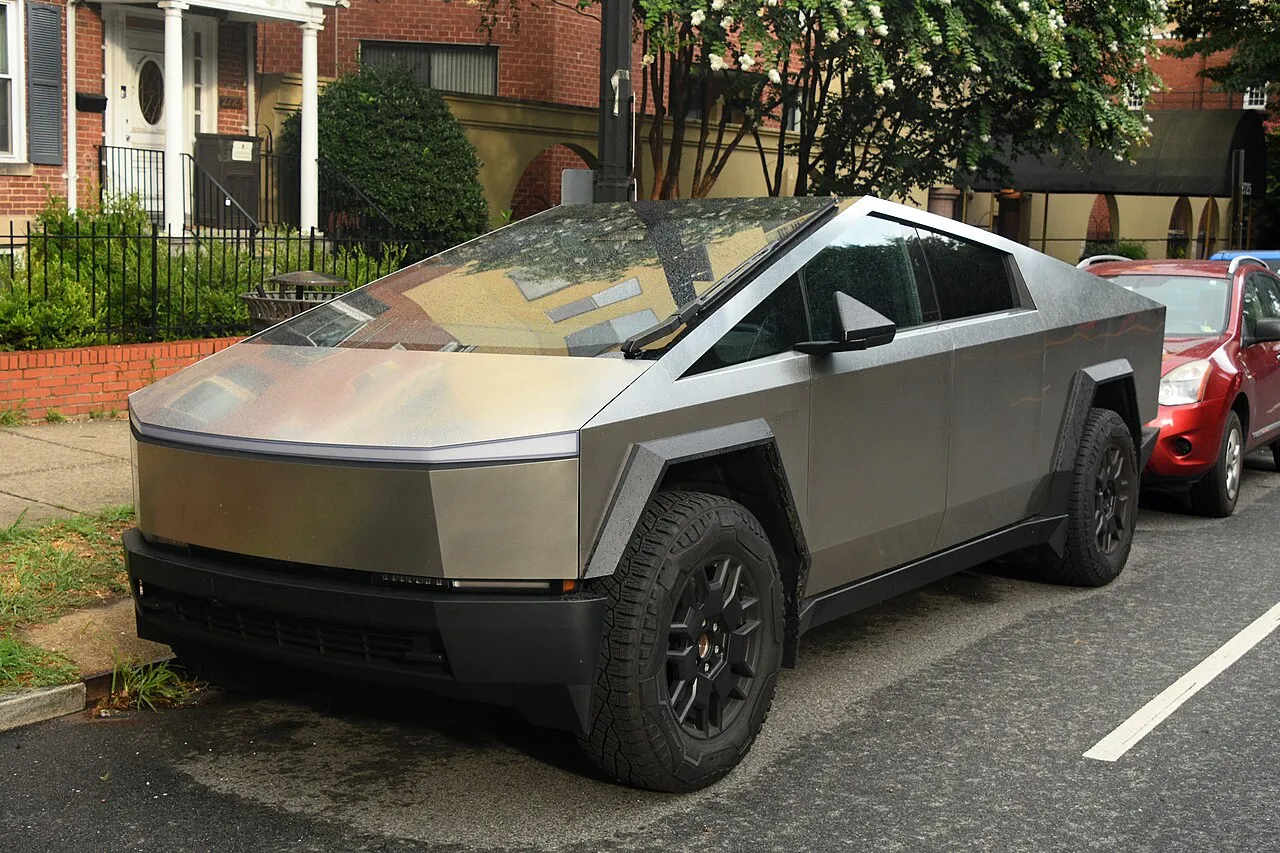
The short answer: Yes. According to EVANNEX, eligible Cybertruck owners can now use their truck alongside a Powerwall 3 for home backup through the Wall Connector they use for charging. Activation is rolling out in stages.
Tesla is enabling Cybertruck owners with a Powerwall 3 to use the truck and home battery together during a power outage, according to EVANNEX. The feature, called Powershare Home Backup, gives owners who already have both products a way to draw on the Cybertruck’s much larger battery through the Wall Connector used to charge it. For buyers considering a Cybertruck as part of a home backup setup, the change means an existing Powerwall 3 can now work with the truck without a separate Powershare Gateway. Activation is being rolled out in stages, so eligibility does not mean the feature is available at every home yet.
According to EVANNEX, Tesla says pairing the Cybertruck with a Powerwall 3 can extend home backup by more than three days and is equivalent to adding nine Powerwalls. That is Tesla’s description of the potential storage benefit, not a fixed outage duration for every household. How long a home can run depends on how much electricity it uses and how much energy is available in the batteries when the outage begins. The announcement establishes that the two energy sources can work together; it does not make every household’s backup needs the same.
How the truck and home battery work together
EVANNEX reports that the integration uses the same Wall Connector that normally charges the Cybertruck. During an outage, the truck can contribute energy to the home alongside the Powerwall 3. This is the part of the rollout that is new: Cybertruck home backup was already possible for owners without a Powerwall, but the truck and a Powerwall 3 could not previously operate together in this way. Owners who already have a Cybertruck, Powerwall 3 and Wall Connector do not need additional hardware for this integration, according to EVANNEX.
A Powerwall 3 stores 13.5 kilowatt-hours of energy, while EVANNEX puts the Cybertruck battery pack at 123 kilowatt-hours. The difference explains why connecting the truck can substantially expand a household’s backup reserve. EVANNEX uses average U.S. household electricity consumption of about 30 kilowatt-hours a day to explain Tesla’s claim of more than three days of backup. That average is a reference point: a home running air conditioning and other appliances during an outage may use energy at a different rate, and the truck may not begin the outage with a full battery.
Battery capacity and power output describe different limits. Capacity, measured in kilowatt-hours, indicates the amount of energy stored; output, measured in kilowatts, describes the rate at which a system can deliver electricity. EVANNEX says both the Powerwall 3 and Cybertruck Powershare system can deliver up to 11.5 kilowatts to a home. It cites air conditioning, refrigeration, lighting and most appliances as examples of loads that level of output can support. The report does not establish a combined maximum output for the paired system, so the two 11.5-kilowatt figures should not be added to estimate what a home can draw at once.
The coordination between the two batteries matters because both can serve as sources of power when the grid is down. EVANNEX says Tesla had to resolve how the Powerwall and truck determine which device manages the home during an outage. Cybertruck lead engineer Wes Morrill described the work as bringing two energy sources into one system through the charging Wall Connector, according to the outlet. For an owner, the intended result is that the truck can join an existing Powerwall backup arrangement without requiring a separate gateway for that pairing.
What owners need and what it costs
EVANNEX reports that Tesla is emailing eligible Cybertruck owners a survey to confirm their interest before enabling the feature. Activation is being staged by location, rather than turned on for every qualifying home at once. The outlet says owners with a Powerwall 3 and Cybertruck should watch for a prompt in the Tesla app or their email. For a household that already has the truck, Powerwall 3 and Wall Connector, EVANNEX says activation comes through software and the eligibility process, with no additional hardware purchase required.
The equipment picture differs for owners who do not have a Powerwall. EVANNEX says Cybertruck owners have been able to use Powershare for whole-home backup since 2024 with a Powershare Gateway and Universal Wall Connector. It puts that bundle at about $1,970 before installation. That earlier arrangement explains the distinction in Tesla’s announcement: the truck’s ability to power a home is established, while its ability to coordinate with a Powerwall 3 through the existing charging connector is the newly enabled feature.
For someone starting a Powerwall setup, EVANNEX estimates a Powerwall 3 kit at about $16,000 including installation. Those figures cover different equipment and different installation terms, so they are not direct prices for the same project. The reported $1,970 is for the Powershare bundle used without a Powerwall and excludes installation; the roughly $16,000 figure concerns an installed Powerwall 3 kit. EVANNEX does not give a total price for buying a Cybertruck, adding a Powerwall 3 and completing a new home installation. Owners with the equipment already in place face a different decision from buyers assembling the system from scratch.
The Cybertruck’s role as a vehicle also affects how an owner might use home backup. Energy drawn from the truck during an outage is energy that will no longer be in its battery for driving until it is recharged. For context, U.S. EPA ratings for the 2026 Cybertruck put the AWD and Dual Motor AWD versions at 325 miles of range, and the Long Range version with 20-inch Cyber Wheels at 335 miles. Those are U.S. EPA vehicle range ratings, not estimates of how far the truck could drive after powering a home. The reports do not establish a remaining driving range for any particular backup scenario.
Why the rollout took longer than planned
The Powerwall integration follows a sequence of delayed targets. According to EVANNEX, Tesla told owners in October 2024 that the feature would arrive in 2025. In December 2025, Tesla moved the target to mid-2026. Morrill said certification across multiple Powerwall generations was taking longer than expected, the outlet reports. The new announcement addresses Powerwall 3 compatibility, while support for Powerwall 2 and Powerwall+ is still expected before the end of 2026. Owners of those earlier home batteries therefore have a different timeline from owners of Powerwall 3.
The delay also puts the scope of the current launch in perspective. Tesla had offered a route to Cybertruck home backup through separate equipment since 2024, according to EVANNEX. The outstanding work was making the truck and a Powerwall operate together as parts of one home system. EVANNEX says the setup can manage energy flow among solar, the grid and the vehicle battery. That capability matters most to a household that already uses a Powerwall: the truck can become another source of stored energy during an outage while remaining connected through its usual charging equipment.
What happens next
The immediate next step is activation for eligible Powerwall 3 owners. Tesla is using the emailed survey and a location-based rollout, EVANNEX reports, so owners may receive access at different times. The report gives no date when every eligible home will have the feature. Owners with Powerwall 2 or Powerwall+ are still waiting for compatibility, which EVANNEX says is expected before the end of 2026. Those timelines matter when evaluating the feature today: the Powerwall 3 pairing has begun rolling out, while broader Powerwall support remains a future step.
For EV buyers, the announcement makes the Cybertruck’s battery useful in another setting, but its practical value depends on the household’s existing equipment and electricity use. A buyer with a Powerwall 3 and Wall Connector has a path to additional backup capacity without buying the separate gateway described for homes without a Powerwall. A buyer planning a new installation must account for the Powerwall cost as well as the truck. Tesla’s more-than-three-day claim gives a sense of the potential reserve; the length of a real outage backup will be determined by what the household runs and the energy available when the power fails.
Frequently asked questions
Can a Cybertruck and Powerwall 3 power a home together?
Yes. According to EVANNEX, Tesla is rolling out Powershare Home Backup for eligible owners, allowing the Cybertruck and Powerwall 3 to work together during an outage.
Do existing Cybertruck and Powerwall 3 owners need a separate gateway?
According to EVANNEX, owners who already have a Cybertruck, Powerwall 3 and Wall Connector need no additional hardware for the new integration.
How long can the Cybertruck extend home backup?
EVANNEX reports Tesla’s claim of more than three days. Actual duration depends on household electricity use and the energy available in the batteries.
Is the feature available for Powerwall 2 or Powerwall+?
Not yet. EVANNEX reports that compatibility with Powerwall 2 and Powerwall+ is expected before the end of 2026.
Related stories
Tesla Offers Cybertruck Owners Refunds for PCS Repairs
Tesla is offering parts, labor and tax refunds to some 2024 and 2025 Cybertruck owners who paid to replace a failed power conversion system.

How Bidirectional EV Charging Handles Home Startup Surges
A bidirectional EV charger can ramp up power and limit its output as home loads reconnect. That helps protect backup equipment, but appliances can still draw startup surges.

How a Bidirectional EV Charger Knows the Grid Is Down
A bidirectional EV charger checks voltage and frequency, then uses anti-islanding protection to stop export if the utility grid connection fails.