Should You Buy a 2026 Tesla Model X or a 2025 Model?
The 2026 Tesla Model X has different EPA range ratings, but battery and power details remain unpublished. Here is how it compares with the 2025 US models.
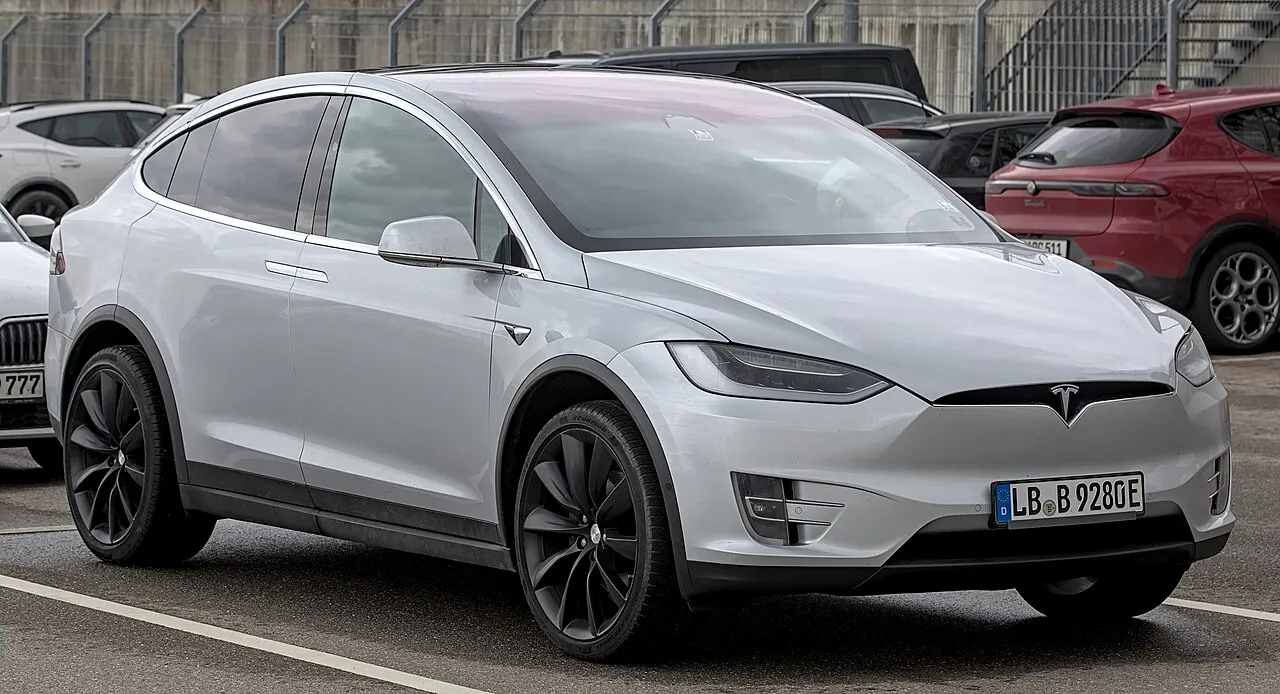
The short answer: The 2026 US Tesla Model X has a 352-mile EPA rating, versus 329 miles for the unnamed 2025 version, while the 2026 Plaid is rated at 335 miles. AWD remains unchanged, but unpublished 2026 battery, power and peak charging figures prevent a confirmed hardware comparison; the 2025 Long Range also carries a separate 360-mile EPA figure credited to OpenEV Data.
The clearest change for the US 2026 Tesla Model X is its EPA range rating: 352 miles for the version without a trim designation and 335 miles for Plaid. US EPA fueleconomy.gov gives the unnamed 2025 version 329 miles. That makes the newer model's rating 23 miles higher in that particular comparison. It does not establish that every 2026 Model X travels farther than every 2025 version: OpenEV Data credits the 2025 Long Range with 360 miles under the EPA standard.
All versions covered here have all-wheel drive. Battery capacity, motor power and peak charging power for the 2026 models have not been published, so a larger battery, more power or faster DC charging cannot be confirmed. The newer model year suits buyers prioritizing its particular EPA ratings; the outgoing Long Range deserves attention from anyone seeking the highest stated range among these US versions.
The US figures, with sources and standards
The table keeps each model year and version separate. Every range figure uses the EPA standard, but the source and trim description still matter. Charging times are Level 2 full-charge figures from US EPA fueleconomy.gov. OpenEV Data's battery, power and charging-power figures are technical values rather than separate EPA range results; no test standard is identified for those values.
| Market, model year and version | Range and standard | Battery and motor power | Charging | Drive and source |
|---|---|---|---|---|
| US, 2026 Model X; no trim designation | 352 miles, EPA | Capacity, chemistry and power have not been published | 14 hours, Level 2 full charge; EPA figure | AWD; US EPA fueleconomy.gov |
| US, 2026 Model X Plaid | 335 miles, EPA | Capacity, chemistry and power have not been published | 12 hours, Level 2 full charge; EPA figure | AWD; US EPA fueleconomy.gov |
| US, 2025 Model X; no trim designation | 329 miles, EPA | Capacity, chemistry and power have not been published for this version | 14 hours, Level 2 full charge; EPA figure | AWD; US EPA fueleconomy.gov |
| US, 2025 Model X Long Range | 360 miles, EPA standard, credited to OpenEV Data | 100 kWh gross; 95 kWh usable; NMC; 493 kW motor power. Test standard not identified | 11 kW AC; 250 kW peak DC; NACS. Test standard not identified; full-charge time has not been published | AWD; OpenEV Data |
| US, 2025 Model X Plaid | 333 miles, EPA standard, credited to OpenEV Data | 100 kWh gross; 95 kWh usable; NMC; 760 kW motor power. Test standard not identified | 11 kW AC; 250 kW peak DC; NACS. Test standard not identified; full-charge time has not been published | AWD; OpenEV Data |
| US, 2025 Model X Plaid, 20-inch wheels | 314 miles, EPA | Version-specific battery and power figures have not been published | 14 hours, Level 2 full charge; EPA figure | AWD; US EPA fueleconomy.gov |
| US, 2025 Model X Plaid, 22-inch wheels | 294 miles, EPA | Version-specific battery and power figures have not been published | 14 hours, Level 2 full charge; EPA figure | AWD; US EPA fueleconomy.gov |
Range: the version matters as much as the year
The unnamed versions offer the most straightforward comparison within US EPA fueleconomy.gov: the 2026 rating is higher than the 2025 rating. Neither carries the Long Range designation, however, so treating that comparison as proof of a Long Range upgrade would go beyond what those names establish. A model-year label alone does not resolve which version a buyer is considering.
OpenEV Data's 2025 Long Range figure is eight miles higher than the newer unnamed model's EPA rating. Both figures use the EPA standard, but they describe differently identified versions and come from different sources. That supports keeping the outgoing Long Range on a range-focused shopping list; it does not establish why the ratings differ or prove a change in battery hardware.
Plaid requires similar care. The newer Plaid's EPA rating is two miles higher than OpenEV Data's figure for the outgoing Plaid. US EPA fueleconomy.gov also identifies separate outgoing Plaid versions by wheel size, with lower range ratings for both. The newer Plaid's wheel size is not identified, so those figures cannot demonstrate the gain for an otherwise matching wheel configuration.
The useful conclusion is narrower than a blanket improvement: the newer unnamed version has a higher EPA rating than its unnamed predecessor, and the newer Plaid exceeds each outgoing Plaid figure shown here. The outgoing Long Range nevertheless retains the highest stated range across this group.
Battery and power: no confirmed upgrade
OpenEV Data gives the outgoing Long Range and Plaid the same gross and usable battery capacities and the same NMC chemistry. Within those two versions, nothing changes in those battery figures. Their motor-power figures differ substantially, with Plaid carrying the higher output despite matching the Long Range's stated battery capacity.
That distinction matters when interpreting the newer model. A changed range rating is not, by itself, evidence of a larger battery or a different chemistry. With the newer battery figures unpublished, there is no numerical basis for declaring either an upgrade or a carryover. The outgoing model's capacities should not be assigned to the newer one without confirmation.
The same limit applies to power. OpenEV Data establishes a power difference between the two named outgoing trims, but there is no published newer-model power figure to compare with either. Buyers seeking a confirmed power increase therefore have no established reason here to choose the newer model year. AWD, by contrast, is explicitly unchanged across every version in the comparison.
Charging: distinguish time from power
The unnamed Model X retains the same EPA Level 2 full-charge time across the two model years. On that measure, nothing changed. The newer Plaid has a shorter full-charge time than either wheel-specific outgoing Plaid version, although the differing version descriptions prevent an exact configuration match.
A shorter full-charge time does not establish a higher peak charging-power rating. Hours describe the duration of a charge, while kilowatts describe power. The EPA time figures therefore cannot fill the gap left by unpublished newer-model AC and DC charging-power figures.
For the outgoing Long Range and Plaid, OpenEV Data gives identical AC charging power, peak DC charging power and connector type. There is no charging-power distinction between those two trims in those figures. A newer-model connector confirmation and comparable charging-power figures have not been published, so a charging-hardware upgrade remains unconfirmed.
Which model year should you buy?
Choose the newer unnamed Model X if its higher EPA range relative to the unnamed outgoing version is the deciding factor. The newer Plaid also makes sense for a buyer prioritizing its EPA range rating and shorter stated Level 2 full-charge time. Neither choice should depend on an assumed increase in battery capacity, motor output or peak DC charging power.
Consider the outgoing Long Range if the highest stated EPA range is your priority. The outgoing Plaid is also a candidate when its documented power is central to the decision, but a newer-model performance advantage cannot be assessed. For either outgoing trim, match the exact version to its source rather than combining the most favorable figures from differently identified models.
Price cannot settle the choice yet. OpenEV Data records US prices of $79,990 for the 2025 Long Range and $94,990 for the 2025 Plaid as of January 2025; those are dated reference prices. Comparable 2026 prices have not been published, so the outgoing model year cannot be declared the better value without an actual purchase-price comparison.
Frequently asked questions
Does the 2026 Tesla Model X have more range than the 2025 model?
US EPA fueleconomy.gov rates the unnamed 2026 version at 352 miles and the unnamed 2025 version at 329 miles. However, OpenEV Data credits the 2025 Long Range with 360 miles under the EPA standard, so the newer model does not exceed every outgoing version.
Did the Tesla Model X battery change for 2026?
A battery change cannot be confirmed because 2026 capacity and chemistry figures have not been published. OpenEV Data gives the US 2025 Long Range and Plaid a 100 kWh gross battery, 95 kWh usable capacity and NMC chemistry.
Does the 2026 Model X charge faster?
US EPA fueleconomy.gov gives the unnamed US version the same 14-hour Level 2 full-charge time for both years. The 2026 Plaid has a 12-hour figure versus 14 hours for the wheel-specific 2025 Plaid versions, but 2026 peak AC and DC charging-power figures have not been published.
Did all-wheel drive change between model years?
No. Every US 2025 and 2026 Model X version covered in this comparison has all-wheel drive.
Related stories

How to Build a Flexible EV Charging Routine for Work
Build charging around the miles you need for your next drive, using home, work, or public charging as your schedule allows. Keep a practical buffer.

How to Check EV Charger Plug Compatibility Before a Trip
Match your EV’s connector and charging limits to each route stop. Learn what charger labels mean, when an adapter may work, and what to confirm before you leave.

How to Estimate Electric Car Range While Towing
Estimate towing range from your vehicle’s normal range, then adjust for trailer shape, speed, weather and hills. Use the result to plan charging stops.