Nissan Rogue Plug-In Hybrid Arrives With 38-Mile EV Range
Nissan’s first U.S. plug-in hybrid pairs 38 miles of EPA-estimated electric range with standard all-wheel drive and seating for up to seven passengers.

The short answer: The 2026 Nissan Rogue Plug-In Hybrid is now available in the U.S., according to Green Car Journal. It offers an EPA-estimated 38 miles of electric range, a gasoline engine for longer trips, standard all-wheel drive and three-row seating.
The 2026 Nissan Rogue Plug-In Hybrid is now available, giving U.S. buyers Nissan’s first plug-in hybrid and an EPA-estimated 38 miles of electric driving, according to Green Car Journal. The three-row SUV combines a rechargeable battery with a gasoline engine, bringing an option for daily electric travel to buyers who also want the flexibility of gasoline power on longer journeys.
The launch also expands Nissan’s electrified lineup at an important point in its product renewal. Green Car Journal reports that the Rogue Plug-In Hybrid plays a central role in the company’s Re:Nissan business plan and brings the brand into a segment where competitors have offered plug-in hybrids for years. Its combination of seven-passenger seating, standard all-wheel drive and electric capability gives the Rogue lineup a different proposition from Nissan’s all-electric LEAF and Ariya.
Electric range and gasoline flexibility
The Rogue Plug-In Hybrid pairs a 20-kWh lithium-ion battery and two electric motors with a 2.4-liter gasoline engine, according to Green Car Journal. Combined output is 248 horsepower and 322 pound-feet of torque. The outlet reports that the system delivers stronger acceleration than the standard Rogue, although it does not give an acceleration time.
For the U.S. model, Green Car Journal reports an EPA-estimated electric range of 38 miles and an estimated total driving range of 420 miles. The electric range gives buyers a way to complete shorter journeys on battery power, while the gasoline engine supports travel beyond that distance. Actual use of the engine also depends on operating mode, power demand and battery charge.
The outlet reports a U.S. EPA estimate of 64 MPGe when driving on battery power and 26 mpg combined when operating on gasoline. Those ratings describe different measures: MPGe expresses energy efficiency on a gasoline-equivalent basis, while mpg describes gasoline consumption. For buyers, the two figures distinguish the vehicle’s efficiency during electric use from its efficiency when relying on gasoline.
Level 2 charging takes just over seven hours, according to Green Car Journal. That makes charging access a practical part of the ownership decision: replenishing the battery allows the SUV to make repeated use of its electric range. The gasoline engine adds flexibility between charging opportunities, but the reported 26-mpg combined gasoline rating remains relevant for journeys that extend beyond battery-powered operation.
Three operating modes and standard all-wheel drive
The powertrain can switch among three operating arrangements, Green Car Journal reports. In EV mode, the motors handle electric driving until the battery reaches a lower state of charge. In series-hybrid mode, the engine generates electricity for the motors. Parallel-hybrid mode allows the engine to contribute propulsion when additional power is needed and that arrangement can work more efficiently.
These modes allow the same vehicle to serve different driving demands. Electric operation covers the battery-powered portion of a trip, while the hybrid modes give the gasoline engine different roles as conditions change. The system therefore does more than switch between a fixed electric range and a conventional gasoline drivetrain; it can also use the engine to generate electricity.
Nissan’s Intelligent All-Wheel Drive is standard, according to Green Car Journal. Drivers also get seven selectable drive modes: Normal, Power, Eco, Tarmac, Gravel, Snow and Mud. These settings tailor power delivery and traction for different conditions, giving buyers a range of controls alongside the powertrain’s automatic changes in operation.
The technology comes through Nissan’s relationship with Mitsubishi within the Renault-Nissan-Mitsubishi Alliance. Green Car Journal reports that using a shared platform helped Nissan bring the Rogue Plug-In Hybrid to market more quickly and align it with established plug-in hybrid architecture. That relationship is an important part of how Nissan has added this model to its U.S. lineup.
Three rows, with limits on third-row space
The Rogue Plug-In Hybrid seats up to seven people across three rows, according to Green Car Journal. Its second-row seats slide, recline and fold forward to allow access to the back row. The outlet describes the third row as more constrained than those in larger SUVs, making it better suited to children or occasional shorter trips for adults.
That distinction matters for buyers considering the SUV primarily for its passenger capacity. Seven seats add flexibility, but the third row’s usefulness depends on who will occupy it and for how long. With that row folded, Green Car Journal reports enough cargo room for four golf bags and sufficient height to carry a mountain bike.
Family-oriented details extend to rear doors that open to a 70-degree angle, intended to make loading child seats or gear easier. A motion-activated power liftgate helps with cargo access. These features complement the sliding second row, giving the cabin several ways to accommodate passengers and belongings as needs change.
Displays, physical controls and Platinum equipment
A 9-inch touchscreen and a configurable 12.3-inch driver display are standard, Green Car Journal reports. Smartphone integration includes wireless Apple CarPlay and wired Android Auto. The cabin also has a wireless phone charger and USB ports for front and rear passengers, while physical controls handle climate, audio and drive-mode functions.
The Platinum grade adds a 10-inch head-up display and a nine-speaker Bose audio system. It also includes two 120-volt, 1,500-watt power outlets, one serving rear passengers and the other in the cargo area. Green Car Journal identifies small appliances used for camping or tailgating as potential applications for those outlets.
Other Platinum additions include leather-appointed seats, door illumination and a machined-aluminum trim plate around the shifter. Green Car Journal also describes soft-touch dashboard and door-armrest surfaces, plus acoustic-laminated front-door glass intended to reduce cabin noise. Exterior details include dark-painted 20-inch wheels, black mirrors and accents, multi-element LED headlights and all-LED exterior lighting.
Standard assistance features and Nissan’s next step
Safety equipment includes 11 standard airbags and Nissan’s Safety Shield 360, according to Green Car Journal. The assistance suite includes automatic emergency braking with pedestrian detection, high-beam assistance, lane-departure warning, rear cross-traffic alert, blind-spot warning and rear automatic emergency braking.
An Intelligent Around View Monitor with Moving Object Detection gives drivers a 360-degree view around the SUV at low speeds. ProPILOT Assist 1.1 is also standard, offering steering, braking and acceleration support in certain driving situations. These systems add assistance during driving and low-speed maneuvers, alongside the vehicle’s passenger and cargo features.
The plug-in model arrives ahead of another planned change to the Rogue family. Green Car Journal reports that Nissan will introduce a next-generation Rogue with e-POWER technology for 2027, using a series-hybrid approach. For now, the 2026 Rogue Plug-In Hybrid gives U.S. buyers a rechargeable choice with published EPA electric-range and efficiency estimates, while helping Nissan expand its electrified product lineup.
Frequently asked questions
How far can the Nissan Rogue Plug-In Hybrid travel on electricity?
Green Car Journal reports an EPA-estimated electric range of 38 miles for the U.S. model. Its estimated total driving range is 420 miles.
How long does the Rogue Plug-In Hybrid take to charge?
Level 2 charging takes just over seven hours, according to Green Car Journal.
Does the Rogue Plug-In Hybrid have all-wheel drive and seven seats?
Yes. Green Car Journal reports standard Intelligent All-Wheel Drive and three rows with seating for up to seven people. The outlet describes the third row as best suited to children or occasional shorter trips for adults.
What are its power and efficiency ratings?
According to Green Car Journal, combined output is 248 horsepower and 322 pound-feet of torque. The outlet reports U.S. EPA estimates of 64 MPGe on battery power and 26 mpg combined when operating on gasoline.
What does the Platinum grade add?
Green Car Journal reports that Platinum adds a 10-inch head-up display, nine-speaker Bose audio, leather-appointed seats, door illumination, a machined-aluminum shifter trim plate and two 120-volt, 1,500-watt power outlets.
Related stories

How to Tell Whether an EV Needs All-Wheel Drive
All-wheel drive can help an EV accelerate on slippery roads, but tires, local weather, hills and efficiency matter more than the badge alone.

GWM Haval H7 PHEV Undercuts Toyota RAV4 PHEV in Australia
GWM’s Haval H7 PHEV pairs a lower Australian starting price with more power and claimed electric range, while Toyota counters with safety features and fuel economy.
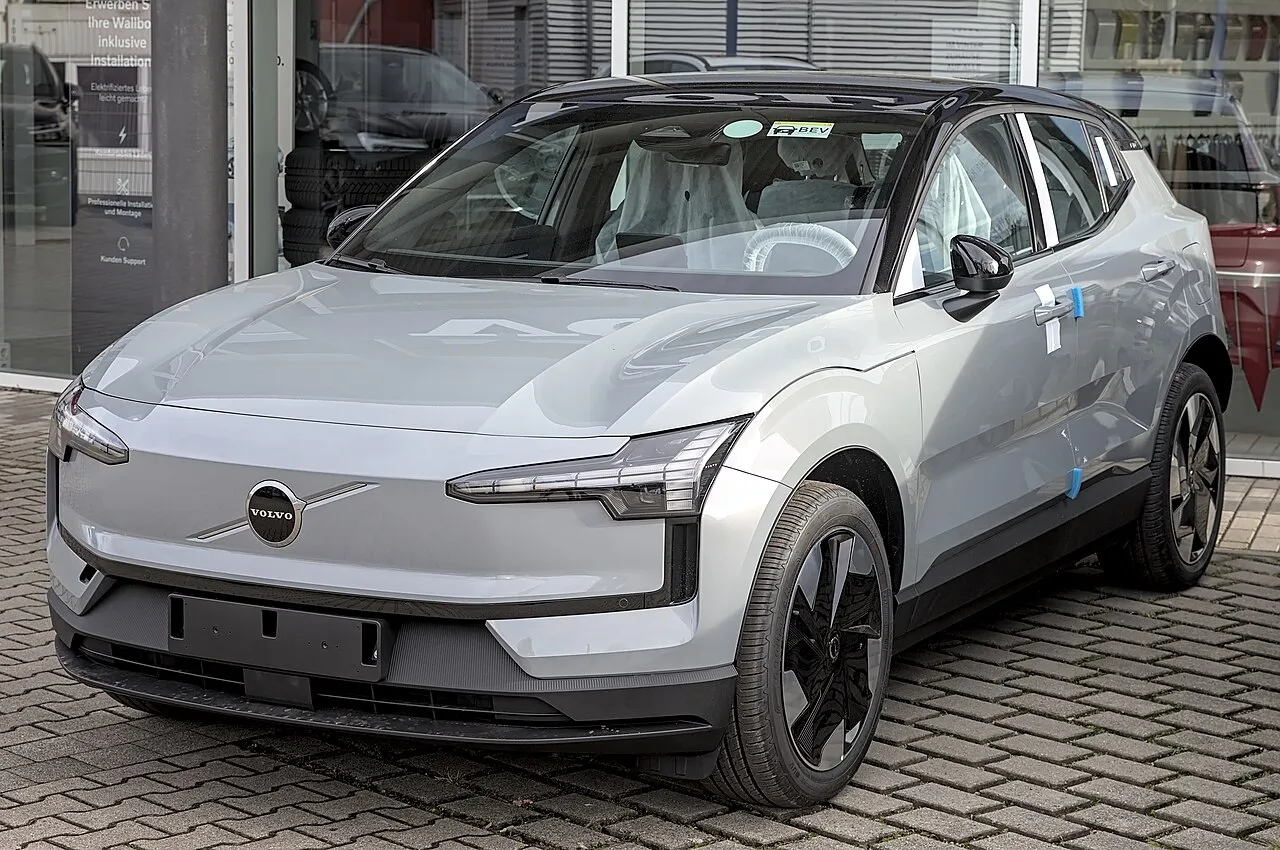
Updated Volvo XC60 PHEV Claims Up to 124 Miles of EV Range
Volvo’s updated XC60 plug-in hybrid pairs a 37.9-kWh battery with claimed electric range of up to 124 miles, while retaining a gasoline engine.