BYD U9 Xtreme Crashes During 280 MPH Target Run
BYD's Yangwang U9 Xtreme crashed during a run aimed above 280 mph. The driver had no serious injuries, and another run reached 284.5 mph, Electrek reports.
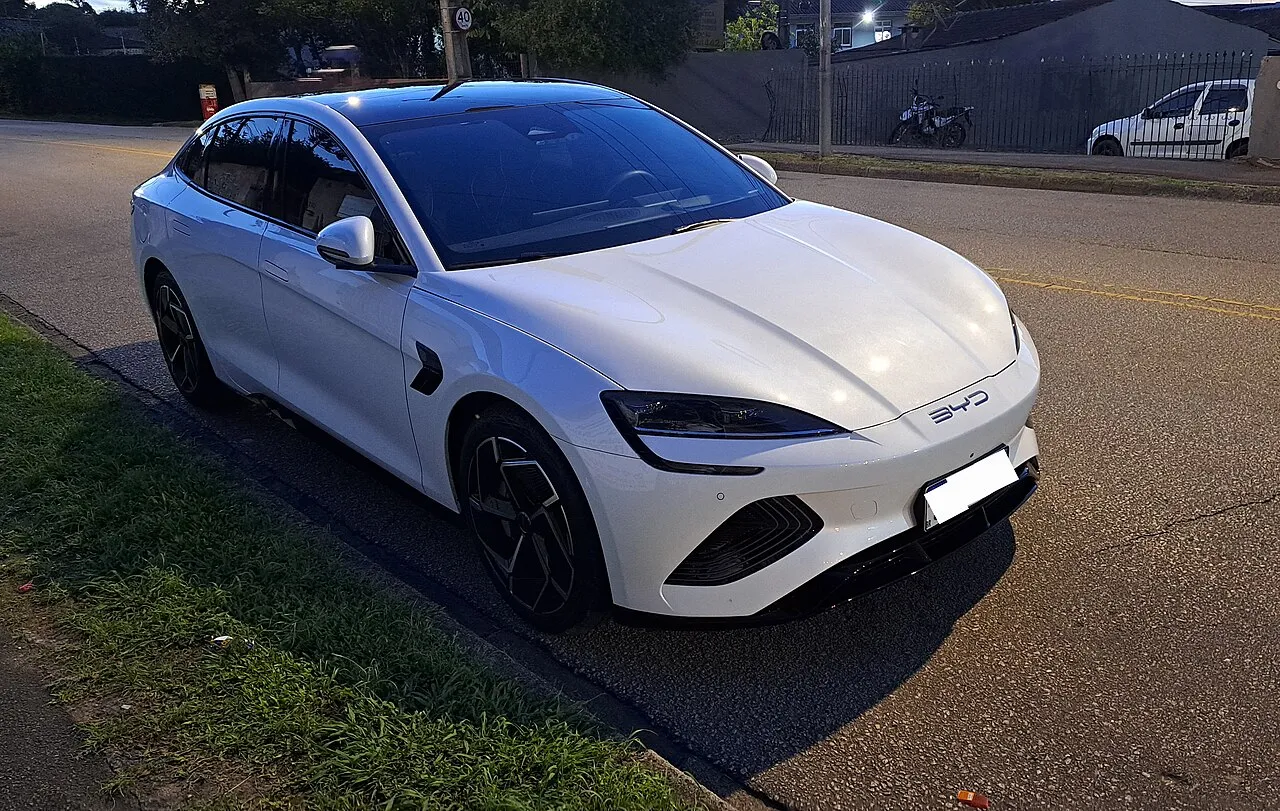
The short answer: The Yangwang U9 Xtreme hit a guardrail during a test run aimed above 450 km/h (about 280 mph), according to Electrek. The driver's medical exam found no serious injuries, and a later run reached 457.89 km/h (284.5 mph).
BYD’s Yangwang U9 Xtreme crashed into a guardrail during a high-speed test, but its driver had no serious injuries after a hospital examination, according to Electrek. The crash came on a run aimed above 450 km/h, or about 280 mph, as BYD pursued an even higher speed target for its electric supercar. A later run reached 457.89 km/h (284.5 mph), Electrek reported.
The event puts two aspects of the same development program in view: the speed BYD is seeking from its four-motor car and what happened to its driver during a serious setback. For EV buyers, the U9 Xtreme is an extreme example of electric performance, rather than a measure of what an everyday car can do. The reported outcome describes this driver and this crash; it does not establish how the car would perform in another collision.
What happened during the test
Electrek reported that BYD shared video of the test. On the first run, the U9 Xtreme exceeded 350 km/h (217 mph). On the second, it exceeded 420 km/h (261 mph). The crash occurred on a third run, during which BYD was trying to exceed 450 km/h (about 280 mph). The car struck a guardrail and continued spinning, according to Electrek.
That sequence matters when describing the crash speed. The figure above 450 km/h was the target for the third run, while the speeds above 350 km/h and 420 km/h were reported for the preceding runs. Electrek did not report a measured speed at the moment the U9 Xtreme hit the guardrail. Its account therefore establishes the aim of the run and the collision, but not an exact impact speed.
Some footage was recorded from inside the vehicle, according to Electrek. The outlet also reported damage to the front and rear of the car, while describing its high-strength carbon-fiber cabin as having held up. Those observations help explain why the driver’s condition has drawn attention, though the account does not give a detailed account of the forces in the crash or a formal assessment of the cabin.
BYD said a comprehensive hospital examination found the driver in good health with no serious injuries, according to Electrek. That is a more precise description of the reported medical outcome than treating a walk away from the vehicle as a complete account of the driver’s condition. Electrek did not identify an injury requiring treatment in its report.
After the crash, BYD made another run, and the U9 Xtreme reached 457.89 km/h (284.5 mph), according to Electrek. That figure is a reported result from a later attempt. It should not be read as the speed at which the collision happened. Taken together, the runs show both the interruption caused by the crash and the continuation of BYD’s speed effort.
The car behind the speed attempt
The U9 Xtreme is a track-focused version of BYD’s Yangwang electric hypercar, according to Electrek. It uses four electric motors, one of the central features behind its performance claims. Electrek reported that BYD rates the combined output at nearly 3,000 hp. That level of power helps explain why BYD is using the car for a top-speed campaign, though power alone does not determine the speed reached on any particular run.
Electrek also reported BYD’s claim that the quad-motor setup is the first rated for 30,000 rpm. The same report describes the U9 Xtreme as using BYD’s e4 platform and what BYD calls the world’s first mass-produced 1,200-volt ultra-high-voltage platform. These are manufacturer claims about the car’s hardware; the crash video and the speed figures in the report do not independently measure those electrical or motor ratings.
The voltage figure and the motor rating describe different parts of the vehicle. The 1,200-volt claim concerns the electrical platform, while 30,000 rpm describes the stated motor speed capability. The nearly 3,000-hp figure concerns combined output from the four motors. Keeping those measures distinct makes the U9 Xtreme’s headline numbers easier to understand without treating them as interchangeable explanations for a particular result on the track.
BYD’s stated objective is to break the 500 km/h mark, about 310 mph, according to Electrek. The outlet reported an earlier top speed of 496.22 km/h, about 308 mph, which it described as a production-car record. The new target is therefore close to the earlier reported result in absolute speed, even though exceeding a previous mark requires another successful run. The 457.89 km/h run after the crash fell short of both figures.
Electrek reported that BYD was preparing another attempt during November. Jiang Gong, whom the outlet identified as one of Yangwang’s riders, expressed confidence that the car could exceed 500 km/h. That view indicates the team’s ambition, but the reported runs do not show the U9 Xtreme reaching that threshold. The next result, if BYD reports one, would establish whether the car has passed its stated target.
What the crash does and does not show
The medical outcome is significant because the car hit a guardrail and spun during a run directed at an exceptionally high speed. Electrek’s report connects the driver’s condition with a cabin that appeared to withstand the crash despite damage elsewhere on the vehicle. It does not establish why the crash happened, and it gives no measured impact speed. Those missing details limit conclusions about any individual feature’s role in the outcome.
Nor does one collision establish a general safety rating for the U9 Xtreme. The account concerns a specific test, a specific driver and a particular set of circumstances. The driver’s hospital examination is the clearest reported measure of the human outcome. The description of the cabin and body damage offers context, but it is not a substitute for a documented crash test across defined conditions.
The distinction also matters for understanding the speed figures. A run above 420 km/h demonstrated one reported speed before the crash. The third run’s goal was above 450 km/h, but its actual speed at impact was not reported. The later 457.89 km/h result showed that another attempt went beyond that target speed. None of those figures identifies the cause of the guardrail strike.
For the wider EV industry, BYD’s effort illustrates how automakers can use electric drive systems to pursue performance at the far edge of production-car claims. Electrek’s account centers on four motors, high stated output and a high-voltage platform. The speeds sought here are far removed from normal road use, so the reported runs are best understood as milestones in BYD’s U9 Xtreme program, rather than practical performance targets for typical EV buyers.
The report also shows why a speed claim needs its surrounding circumstances. BYD has a stated 500 km/h goal, an earlier reported result of 496.22 km/h, and a post-crash run of 457.89 km/h. Each number describes a different point in the effort. Presenting them separately makes clear both how close the earlier result came to BYD’s goal and how much remained after the run that followed the crash.
What comes next
BYD was preparing another attempt to exceed 500 km/h, according to Electrek. The outlet reported the driver’s medical outcome and the subsequent 457.89 km/h run, but no result above the stated target. Until a later attempt is reported, the established outcome of this sequence is a crash during a run aimed above 450 km/h, followed by a faster completed run and an unfulfilled 500 km/h objective.
The U9 Xtreme’s next result will determine whether BYD can turn its ambition into a reported speed above 500 km/h. For now, the clearest lessons from this account are more limited: the driver had no serious injuries after the crash, the precise impact speed was not reported, and BYD continued testing. Those facts make the episode notable without requiring a broader claim about the safety of this car or electric vehicles as a whole.
Frequently asked questions
How fast was the BYD U9 Xtreme going when it crashed?
Electrek did not report a measured impact speed. BYD was aiming to exceed 450 km/h (about 280 mph) on the run when the car crashed.
Was the driver injured?
According to Electrek, BYD said a hospital examination found the driver in good health with no serious injuries.
Did the U9 Xtreme run again after the crash?
Yes. Electrek reported that a subsequent run reached 457.89 km/h (284.5 mph).
What speed is BYD trying to reach?
According to Electrek, BYD is trying to exceed 500 km/h, about 310 mph.
Related stories

How Heat Changes an EV’s Motor and Inverter Power
An EV’s peak power depends on how quickly its motor and inverter can shed heat. Temperature can reduce sustained output even when the car is working normally.

Why the Rotor-to-Stator Gap Matters in an EV Motor
The narrow space between an EV motor’s rotor and stator shapes magnetic force, torque, efficiency, vibration and how much room the motor needs.

How Motor Laminations Cut Eddy Current Losses in EVs
Thin, insulated steel layers in an EV motor interrupt circulating currents that waste energy as heat, helping the motor convert electrical power into motion.